
Building Smarter Cities with Intelligent Robots
Intelligent robots are reshaping the future of smart cities worldwide. By enhancing public services, driving economic growth, and fostering human‑robot collaboration, these AI‑powered systems are helping urban environments become more sustainable, efficient, and connected.
A New Era of Urban Innovation
Around the world, the vision of smart cities is rapidly shifting from concept to reality. With growing urban populations and increasing demands for efficiency, sustainability, and safety, intelligent robots are emerging as a cornerstone of smart city development. These advanced systems are not just futuristic gadgets—they are practical solutions that enhance public services, drive economic growth, and create more connected urban ecosystems.
Intelligent Robots in Public Services
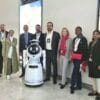
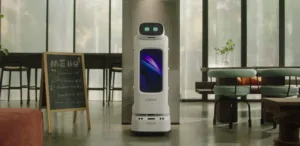
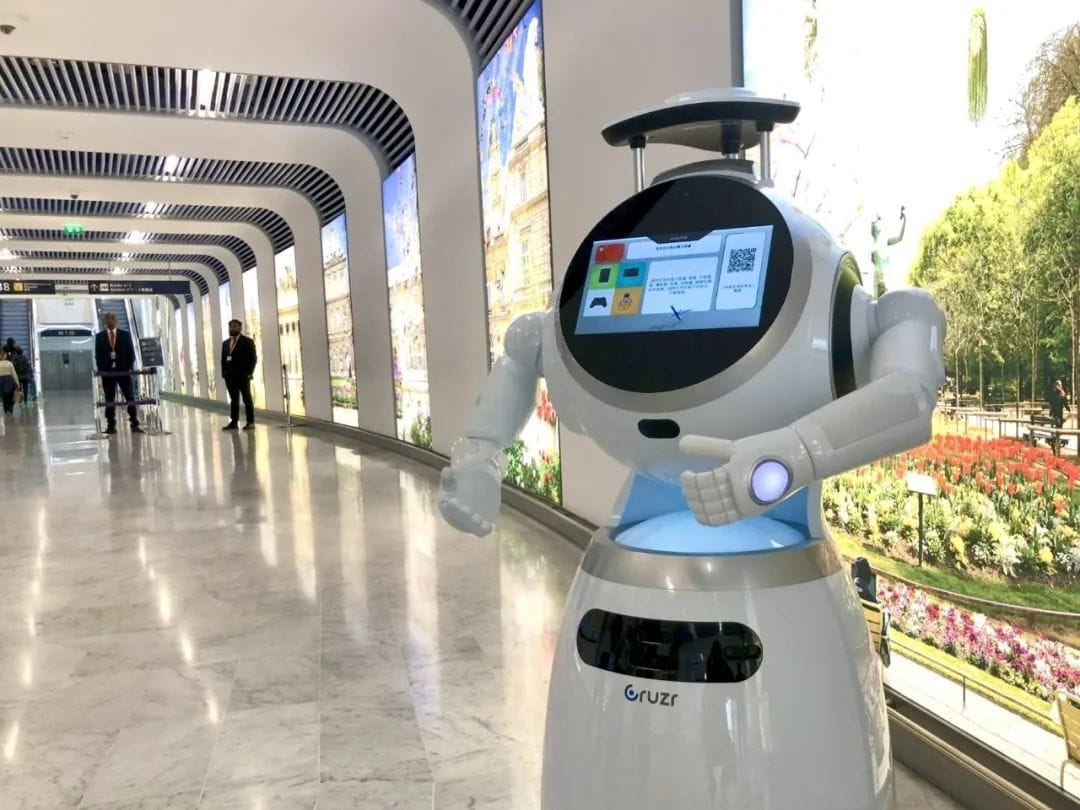
From bustling airports to busy hospitals, intelligent robots are transforming the way people experience public services.
- Healthcare: Service robots guide patients to the right departments, provide preliminary consultations, and reduce waiting times.
- Libraries & Education: Automated systems streamline book borrowing and improve resource management, making knowledge more accessible.
- Government Services: Consultation robots offer multilingual support, helping citizens navigate complex processes with ease.
By integrating AI and big data, these robots continuously improve service quality, ensuring that smart cities remain truly people‑oriented.
Driving Economic Growth and Industry Transformation
Smart cities are not only about convenience—they are engines of economic development. Intelligent robots play a pivotal role in:
- Smart Manufacturing: Automating production lines to boost efficiency and reduce costs.
- Retail & Hospitality: Delivering personalized customer experiences and operational efficiency.
- Urban Infrastructure: Supporting logistics, maintenance, and energy management.
The robotics industry itself creates a robust value chain—from research and development to manufacturing and services—injecting new vitality into economies worldwide.
Building a Human‑Robot Ecosystem
Smart cities thrive when humans and robots collaborate seamlessly. Intelligent robots are designed to complement human capabilities:
- Reducing repetitive labor
- Enhancing safety and security
- Learning and adapting to diverse human needs
This human‑robot ecosystem fosters sustainable urban growth, where technology empowers communities rather than replacing them.
The Future of Smart Cities
As AI, cloud computing, and big data continue to advance, intelligent robots will become even more autonomous and versatile. Future applications may include:
- Autonomous delivery robots for last‑mile logistics
- AI‑powered security patrols in public spaces
- Smart mobility assistants for elderly and disabled citizens
For cities striving to stay competitive and livable, intelligent robots represent infinite possibilities in shaping urban life.
Conclusion
Intelligent robots are no longer a distant vision—they are active participants in building smart cities worldwide. By enhancing public services, driving economic growth, and fostering a collaborative ecosystem, they bring efficiency, innovation, and sustainability to urban development. For businesses and municipalities across the globe, investing in intelligent robotics is not just a technological upgrade—it’s a strategic step toward a smarter, brighter future.